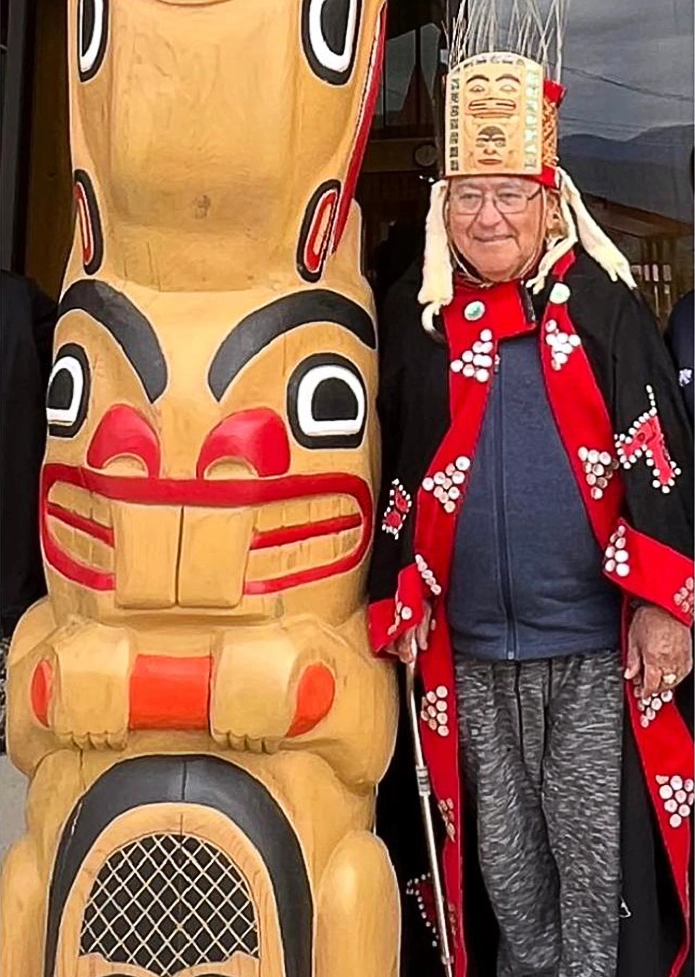
Since Time Immemorial
Since time immemorial, the x̄á’isla have lived on their unceded territory, sustaining themselves through fishing, hunting, and trade. A key part of their economy and diet has been the harvesting and processing of oolichan (záxʷen), a fish rich in oil that was historically a major trade item. The name x̄á’isla means “river mouth dwellers” or “downstream dwellers” and refers to one of 19 seasonal camp locations within their traditional territory.
Today, of the 1962+ x̄á’isla members, approximately 532 reside in c̓imáuc̓a, within the x̄á’isla territory, the heart of our community and culture.
Many x̄á’isla also live in Kitimat, Terrace, Vancouver, and in other communities across the region and beyond.
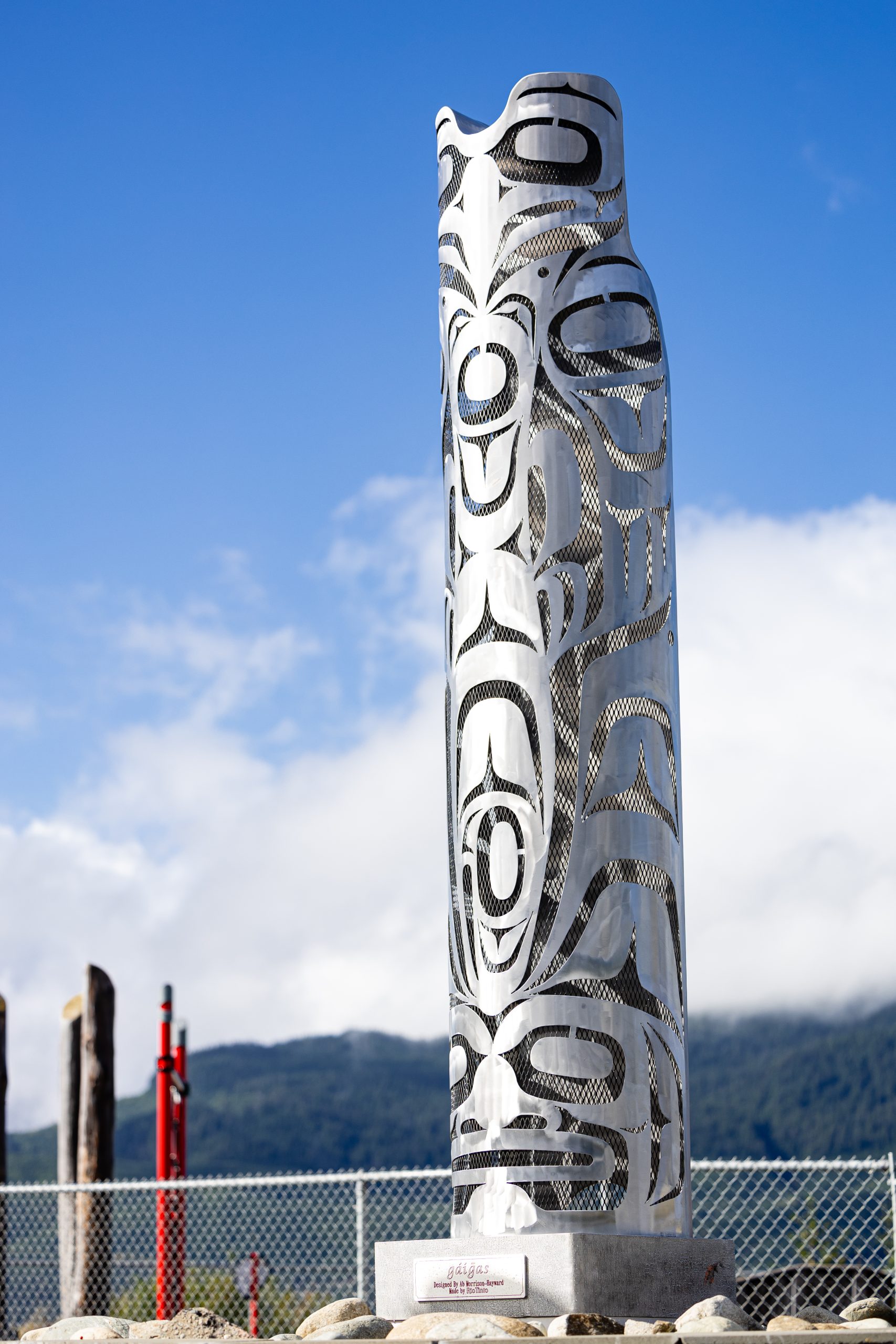
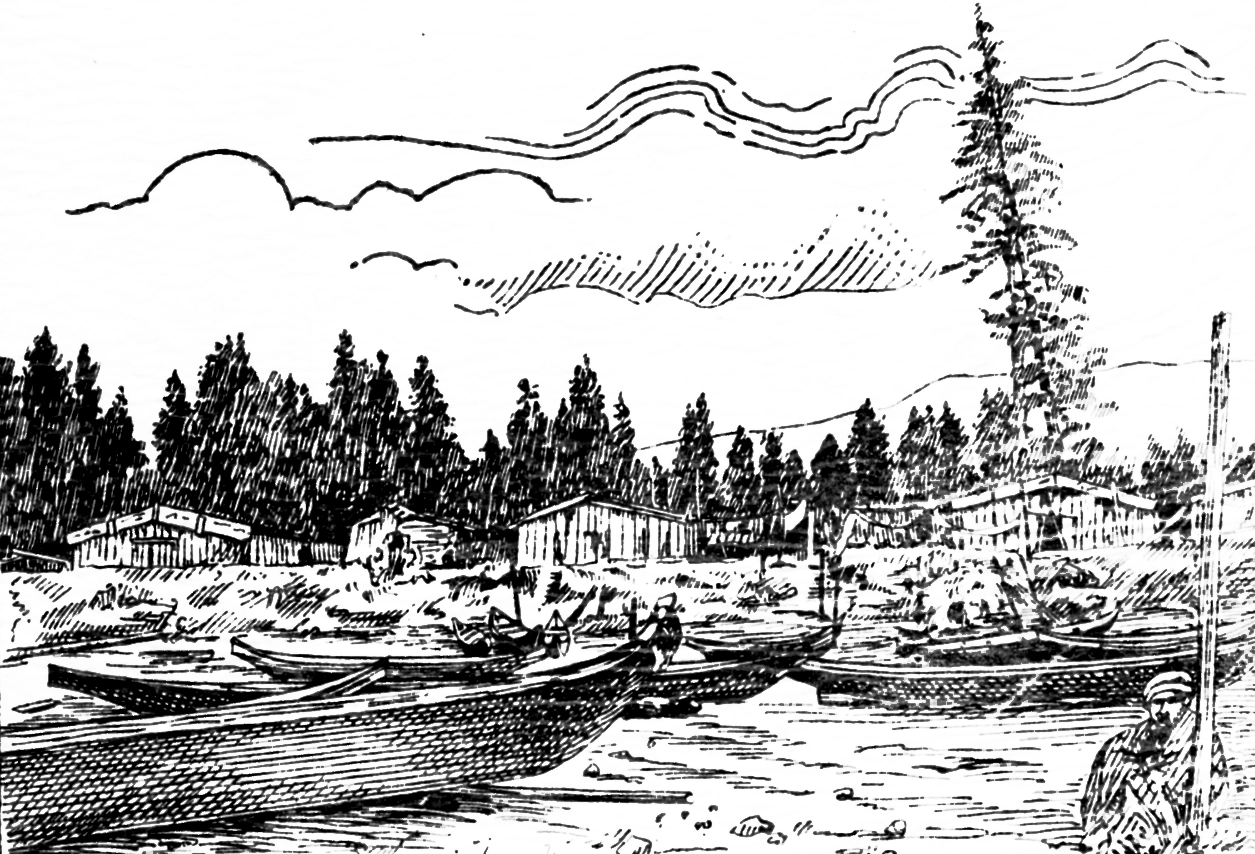
In x̄á’islakala, the term c̓imáus means "stumps," and c̓imáuc̓a translates to "the place where the stumps or logs get caught on the beach." The name "Kitamaat" originates from the Tsimshian people, who once traveled to trade with the x̄á’isla. According to oral history, they encountered such deep snow that only the tops of people’s heads were visible as they moved through the trails. They called the area “Gitamaat,” meaning “people of the snow.” When Europeans arrived, they misheard the name, replacing the “g” with a “k,” leading to the name Kitamaat Village. Later, when the nearby town was established, officials altered the spelling further to “Kitimat.”
Before European contact, the x̄á’isla were nomadic within their territory, traveling seasonally to areas rich in resources. They engaged in trade with neighboring Indigenous Nations and processed and preserved food at different locations. However, the creation of the Indian Act in 1876 drastically changed their way of life. The Canadian government sought to assimilate Indigenous peoples and exert control over their lands. To facilitate tracking and documentation, the x̄á’isla were forcibly confined to a single location— c̓imáuc̓a. The enforcement of colonial laws specifically targeted x̄á’isla governance. On November 10, 1893, a Kitamaat Council resolution declared that anyone holding a Feast or Potlatch would be fined $140—equivalent to $3,000 today. This attack on the Feast system struck at the heart of x̄á’isla governance, as Feasts were central to making agreements, resolving disputes, and reaffirming societal structure. The written record of this resolution bears an “x” in the name of Chief Councillor Sam Amos, a mark imposed by colonial authorities, as the x̄á’isla, like many Indigenous peoples, did not have a writing system at the time.
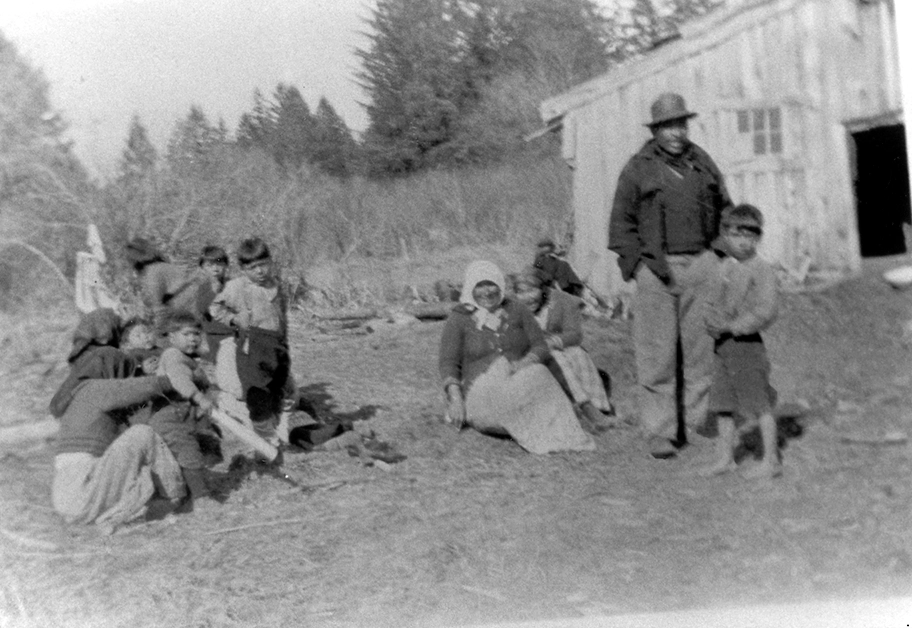

Another critical moment occurred in 1916, when Chief John Bolton applied for a small piece of land in the Kitimat Valley. This site held cultural and ceremonial significance for the x̄á’isla, yet the application process required the support of settlers in the area. The request was brought before the Farmers’ Institute on January 14, 1918, where settlers overwhelmingly rejected it. Letters from P.G. Mills and George Anderson explicitly stated their opposition to "Indians pre-empting land in this valley," reflecting the deep-seated exclusion of Indigenous people from their own lands. Despite these efforts to erase their governance, laws, and connection to land, the x̄á’isla persisted.
A landmark moment in 1956 saw the publication of Tales of Kitamaat, marking the first time x̄á’isla oral stories were written down and shared beyond their community. These stories, passed down for generations, became an important record of cultural resilience. The forced amalgamation of the x̄á’isla with the x̄enáksiala people—driven by disease outbreaks and government tracking—presented both challenges and strengthened inter-nation ties. The arrival of the Aluminum Company of Canada (Alcan) in the 1950s further disrupted the x̄á’isla way of life, as industrial development displaced their land, diverted rivers, and imposed restrictions on traditional fishing.
Despite these obstacles, the x̄á’isla have continued to assert their rights, revitalize their culture, and contribute meaningfully to politics, literature, the arts, and music. One such figure was the late Sam Robinson, Hereditary Leader and world-renowned artist. He was first recognized in 1963 when he received the First Nations Art Award at the Pacific National Exhibition in Vancouver. His work soon gained international recognition, leading to his role as a special carving dignitary at Expo 1967 in Montreal and as a resident carver during the 1970 Olympic Games. In 2013, he was honoured with the BC Achievement Foundation’s Fulmer Award for First Nations Art, a testament to his lifelong dedication to Indigenous expression and excellence.
Previous Haisla leaders such as Heber Maitland, Gerald Amos, Steve Wilson, Ellis Ross and Crystal Smith have played pivotal roles in advocating for their people, while authors like Eden Robinson and Joe Starr have carried x̄á’isla stories into the world through their writing. The newest generation of x̄á’isla youth is finding strength and pride in their identity through music and storytelling, with artists like Snotty Nose Rez Kids (SNRK) at the forefront. Their powerful lyrics challenge colonial narratives, celebrate Indigenous resilience, and amplify the voices of young Indigenous people across Canada and beyond. In 2025, SNRK made history by becoming the first Indigenous group to win the Juno Award for Rap Album of the Year, a milestone that reflects their growing impact in the music industry and beyond. Through their music, SNRK inspires x̄á’isla youth to embrace their culture, reclaim their stories, and take pride in who they are.